
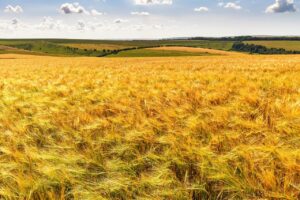
 The United States remains one of the world’s largest agricultural producers, with millions of acres of farmland requiring seasonal labor every year. As a result, American farms rely heavily on harvest workers, including foreign seasonal laborers who come in through approved employment visa programs.
In 2025, the demand for foreign agricultural workers continues to grow, especially through the H-2A Temporary Agricultural Worker Program, which allows U.S. employers and farms to hire individuals from abroad for harvesting and related farm duties. This opportunity attracts thousands of applicants each year because of competitive wages, legal work authorization, and the availability of contracts across multiple states.
What Does a Harvest Worker Do?
A harvest worker is responsible for:
-
Picking fruits, vegetables, and nuts
-
Sorting, packing, and loading produce
-
Operating basic farm tools or equipment
-
Maintaining crop areas
-
Following safety and hygiene rules
-
Working outdoors in various weather conditions
Harvest work is seasonal, physical, and essential to U.S. agriculture. Common crops include:
-
Apples
-
Berries
-
Grapes
-
Corn
-
Citrus fruits
-
Melons
-
Tomatoes
-
Peppers
-
Potatoes
-
Nuts (almonds, pecans, walnuts)
Why the U.S. Needs More Harvest Workers in 2025
Several factors contribute to the increasing demand for seasonal foreign labor:
1. Shortage of Local Workers
Many U.S. residents prefer full-time indoor jobs, leaving farms understaffed.
2. Expansion of Agricultural Production
States such as California, Washington, Texas, Florida, and Georgia are rapidly expanding crop outputs.
3. Aging Workforce
Many experienced farm workers are retiring.
4. Seasonal Nature of Farm Work
Harvest seasons are short but intense, requiring a large labor force for specific months.
Visa Option for Harvest Workers: The H-2A Visa
The H-2A Temporary Agricultural Worker Visa is the official U.S. program that allows international workers to legally work on farms and plantations.
Key Features of the H-2A Visa
-
Seasonal agricultural work
-
Contracts typically last 2–10 months
-
Employers must provide housing
-
Workers receive hourly wages set by the government
-
Transportation reimbursement is required
-
No formal education is required
The H-2A visa is not self-sponsored—you must receive a job offer from a certified U.S. employer.
Eligibility Requirements for Harvest Workers in 2025
You may qualify if:
-
You are at least 18 years old
-
You are physically able to perform farm work
-
You have no criminal record that violates U.S. immigration laws
-
You have a valid passport
-
You receive a job offer from a U.S. employer approved for the H-2A program
No college degree or prior farm experience is required for most positions.
States Offering H-2A Harvest Jobs in 2025
1. California – Fruits, Vegetables, Vineyards
2. Florida – Citrus, Tomatoes, Sugarcane
3. Washington – Apples, Berries, Hops
4. Texas – Melons, Cotton, Vegetables
5. Georgia – Peaches, Blueberries, Onions
6. North Carolina – Tobacco, Sweet Potatoes
7. Arizona – Lettuce, Cotton, Dates
8. Idaho – Potatoes, Wheat, Onions
9. Oregon – Berries, Grapes, Nuts
10. Michigan – Apples, Cucumbers, Cherries
These states sponsor thousands of H-2A workers each year.
Wages for Harvest Workers in the U.S. (2025)
The U.S. Department of Labor sets the Adverse Effect Wage Rate (AEWR) annually. Average wages for 2025 may range:
-
$13.00 – $19.00 per hour
-
Overtime pay may apply in some states
-
Full-time seasonal hours: 35–60 hours per week
Many employers also offer:
-
Free housing
-
Free transportation to and from worksites
-
Meals or meal allowance
-
Protective gear
-
End-of-season bonuses
Benefits of Working as a Harvest Worker in the U.S.
Legal temporary work in the United States
No degree required
Competitive wages
Free employer-provided housing
Transportation covered or reimbursed
Opportunity to return each year
Exposure to U.S. agricultural practices
The H-2A program is considered one of the most worker-friendly temporary programs globally due to strict employer obligations.
Step-by-Step Guide: How to Apply as a Harvest Worker in the U.S. in 2025
Below is a detailed breakdown of every part of the application process.
Step 1: Find a Certified H-2A Employer or Approved Job Listing
The most important step is finding a legitimate sponsor. Only U.S. employers certified by the Department of Labor can hire foreign harvest workers.
Reliable job search platforms include:
SeasonalJobs.DOL.gov (official government website)
Search for:
-
“H-2A jobs”
-
“Agricultural work”
-
“Harvest jobs”
USAFarmerJobs.com
Many farms list seasonal worker openings.
PickYourJob.org
Specializes in farm labor recruitment.
AgCareers.com
A major agriculture job marketplace.
Direct Farm Websites
Large farms such as:
-
Stemilt
-
Driscoll’s
-
Sunkist
-
D’Arrigo
-
Sun Valley Farms
Post seasonal job openings frequently.
Recruitment Agencies Licensed by the U.S. Department of Labor
These include:
-
Labor contractors
-
Foreign labor recruiters
-
H-2A employment agents
Always verify agencies using the official DOL website to avoid fraud.
Step 2: Employer Files a Labor Certification Application
Before hiring you, your employer must:
-
Advertise the job locally to ensure no U.S. workers are available
-
Submit job details to the Department of Labor
-
Receive an official Temporary Labor Certification
This confirms that hiring a foreign worker will not negatively affect the wages or conditions of U.S. workers.
Step 3: Employer Submits a Petition (Form I-129) to USCIS
Once the labor certification is approved, the employer officially requests permission from U.S. Citizenship and Immigration Services (USCIS) to hire foreign workers.
Step 4: Receive Your Official Job Offer & Visa Documents
If USCIS approves the petition, you will receive:
-
Job offer letter
-
Work contract
-
Instructions for your visa interview
-
Proof of employer approval (I-797 Notice)
Your contract will include:
-
Job role
-
Wage rate
-
Housing information
-
Work location
-
Employment start and end dates
Step 5: Apply for the H-2A Visa at the U.S. Embassy
You must now complete the visa application process.
Documents Required
-
Valid passport
-
DS-160 form confirmation
-
Visa appointment receipt
-
Job offer letter
-
Employment contract
-
USCIS approval notice
-
Proof of ties to your home country
Visa Fee:
Approximately $205 (non-refundable).
Attend the interview at your nearest U.S. Embassy or Consulate.
Step 6: Travel to the United States
Once your visa is approved, the employer:
-
Arranges your transportation, or
-
Reimburses you after arrival
Upon entry into the U.S., you will receive your I-94 admission record, proving your legal work authorization.
Step 7: Begin Working According to Your Contract
Upon arrival:
-
Move into employer-provided housing
-
Attend any orientation or training
-
Begin working in your assigned harvest duties
Employers must:
-
Pay wages on time
-
Follow safety guidelines
-
Offer free housing
-
Provide tools and equipment
Step 8: End of Season Procedures and Returning Home
When the season ends:
-
Your employer may provide return transportation
-
You must leave the United States before your I-94 expires
If the employer needs you again next year, they can rehire you and request a return status.
Common Harvest Worker Job Roles in 2025
1. Fruit Picker
2. Vegetable Harvester
3. Citrus Worker
4. Nut Collector
5. Sorting & Packing Assistant
6. Farm Equipment Operator
7. Greenhouse Worker
8. Nursery Worker
9. Seasonal Irrigation Assistant
10. Vineyard Harvester
Housing and Living Conditions for Harvest Workers
Employers must provide free and safe housing, which includes:
-
Beds and mattresses
-
Sanitary facilities
-
Cooking equipment or meal plans
-
Safe drinking water
-
Laundry facilities
Housing must pass government safety inspections before workers arrive.
How to Avoid Scams When Applying for H-2A Harvest Jobs
Never pay a recruiter large fees
Recruitment fees are illegal under U.S. law for H-2A jobs.
Always check employer legitimacy via SeasonalJobs.DOL.gov
This ensures the job is real and approved.
Be cautious of fake visa agents
Only the U.S. embassy issues visas.
Ask for a written job contract
Never trust verbal agreements.
Tips to Improve Your Chances of Being Selected
1. Apply during peak recruitment months
Most harvest hiring occurs between January and June.
2. Have a valid passport ready
Delays in documentation can cause missed opportunities.
3. Be physically fit
Farm work is demanding.
4. Build a simple farm-friendly CV
Include:
-
Physical strength
-
Outdoor experience
-
Any agricultural background
5. Respond quickly to employer emails
Farm hiring happens fast.
Frequently Asked Questions (FAQ)
1. Do I need farm experience?
No. Many employers train workers on arrival.
2. Can women apply?
Yes. Women successfully work as packers, sorters, greenhouse assistants, and harvesters.
3. Can I become a permanent resident through H-2A?
The H-2A visa does not directly lead to a Green Card.
However, some workers switch to employment-based visas later.
4. Can I apply directly without an employer?
No. The H-2A program requires employer sponsorship.
5. Can I return every year?
Yes. Employers often rehire good workers annually.
Final Thoughts: Start Your U.S. Harvest Worker Application for 2025
Applying as a harvest worker in the U.S. in 2025 is a great opportunity for individuals looking for legal seasonal employment with competitive wages and full employer support. Through the H-2A visa program, foreign workers can benefit from:
-
Free housing
-
Legal work contracts
-
Travel reimbursement
-
Fair wages
-
Seasonal employment opportunities
To successfully apply:
-
Find a legitimate H-2A employer
-
Receive a job offer and contract
-
Apply for your visa at the embassy
-
Travel to the U.S. and start working
This path is open to thousands of applicants every year—so if you are ready to work hard and experience U.S. agriculture, now is the best time to begin.